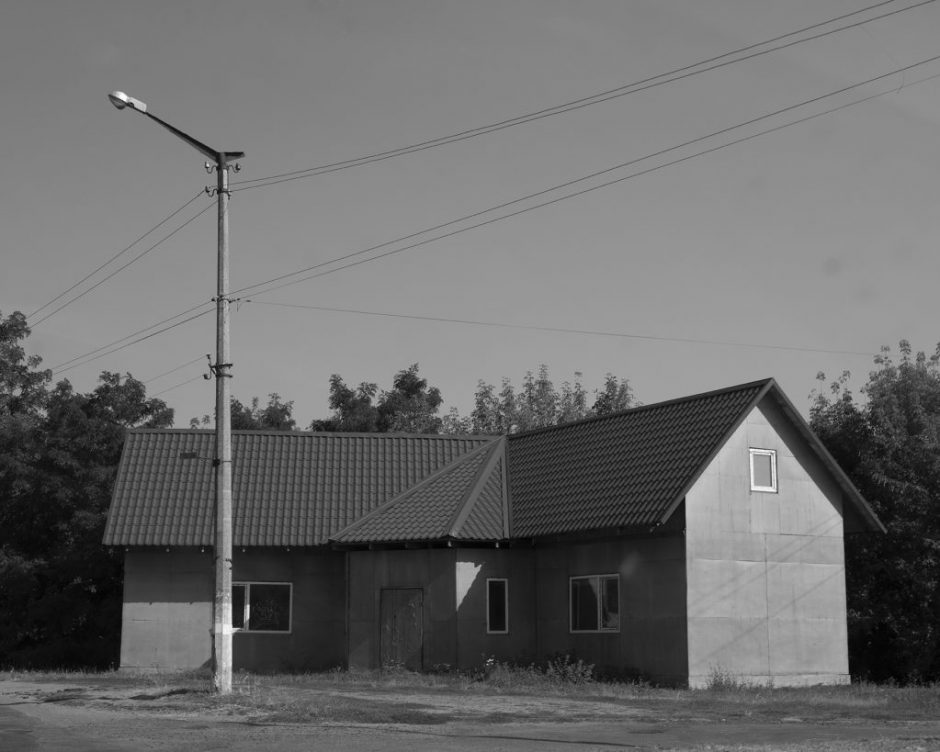
Education treats learners as co-investigators of reality rather than empty vessels to be filled. The setting of a structured “brief” formulated for an outcome based on industry expectations, stereotypes, fads and in the context of “content driven ” platforms produces a homogenous stream. The success of a photographer for example based on a printing technique, a particular camera model , pseudo – documentary etc amplifies this. Is it the result of an over saturated market of supply and demand and economic reality alongside preparation of students for the industry?
Instead of teaching how to take better photos maybe we can ask students
Why does this image exist ?
Who does it serve ?
What does it exclude?
How does the phone shape what can be seen?
Photography then becomes a method of questioning and a way of reading the world visually.
Critical visual consciousness involves recognising, algorithmic bias, colonial aesthetics, beauty norms that are embedded in software and the Platform economies of attention
Students move from the statement of “I like this image” to “Why do I like this image, and who taught me to?”
This is “conscientização” through images involving an understanding the deep, systemic, and political factors that shape daily life rather than just acknowledging surface issues
“A development of a code particularly applicable to nonformal educational programs devised to aid in establishing objectives, training methodologies, evaluating, and determining the relationship between changes in thought and changes in action. “
Smith, W.A. (1976) The meaning of conscientização: the goal of Paulo Freire’s pedagogy. Amherst, MA: Center for International Education, University of Massachusetts.
We can apply this to photography, the subjects are not “captured”, communities are collaborators, images are negotiated, not extracted.
Smartphone photography, when used critically, allows, immediate feedback, a collective authorship and consent as a process.
Smartphone photography becomes a pedagogy when it names oppression rather than beautifying it replacing instruction with dialogue. Students can treat images as questions not answers, valuing process over the end product committing to a practice and not a performative platform based model.